


Good ANSI Lumens for Projectors: Room-by-Room Guide
What is a good ANSI for a projector?
A good ANSI lumen rating depends on where the projector will be used and how much ambient light is in the room. “ANSI lumens” is the standardized brightness measurement most brands use, so it’s the number to compare when shopping.
Quick ANSI lumen targets by room
Dark room home theater: About 1,500–2,500 ANSI lumens is typically plenty for a cinematic picture, especially on a 100–120 inch screen with controlled lighting.
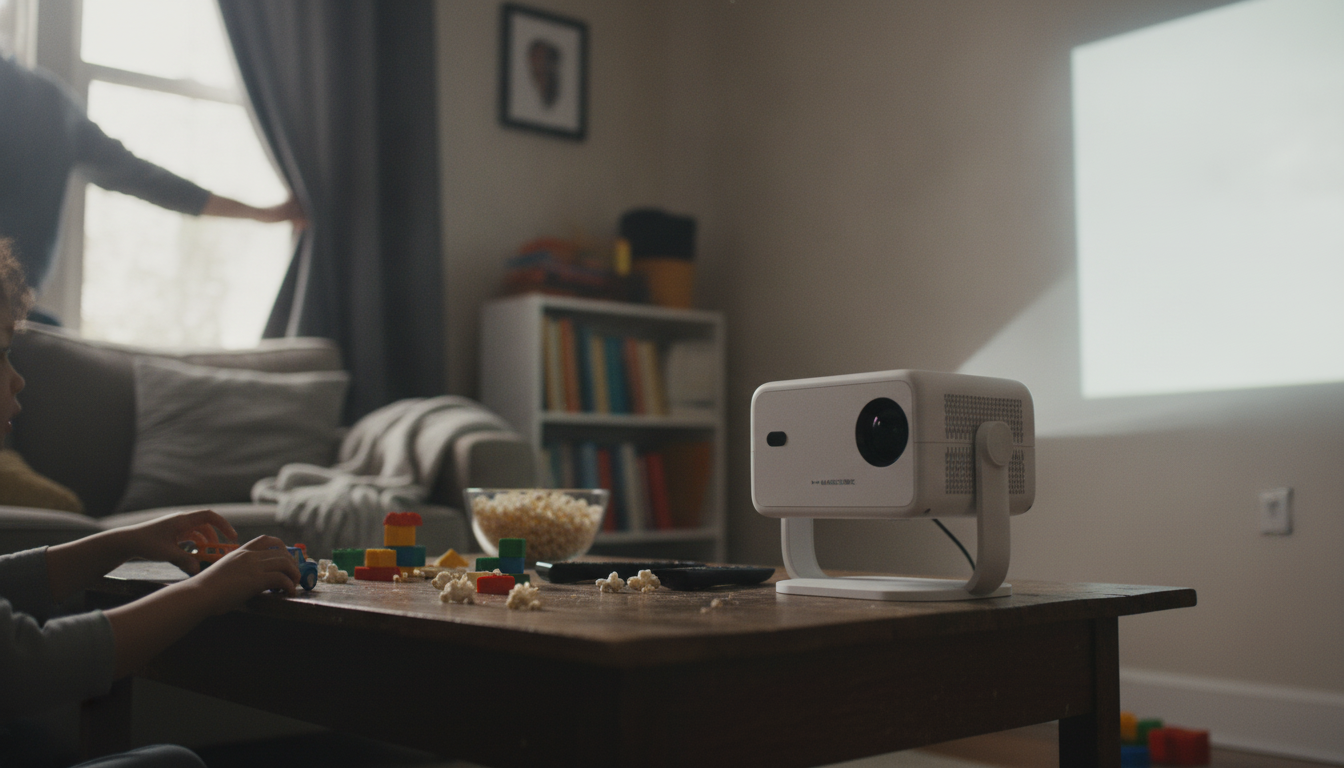
Living room or moderate ambient light: Aim for 2,500–3,500 ANSI lumens. This range helps colors and shadow detail hold up when lamps are on or daylight leaks in.
Bright room, sports, or daytime viewing: Look for 3,500–5,000+ ANSI lumens. More brightness helps fight glare and keeps the image from looking washed out, though screen choice and placement still matter.
How screen size and screen gain change the “right” ANSI
Bigger screens spread the same light over more area, so they look dimmer at the same ANSI rating. If the plan is a large 120–150 inch image, moving up a brightness tier can make the picture more comfortable. Screen gain also plays a role: a higher-gain screen can make an image appear brighter, while a matte, low-gain screen may need more ANSI lumens to achieve similar punch.
Don’t chase lumens alone
Higher ANSI helps, but contrast, color accuracy, and how well the projector maintains brightness in its best-looking mode are just as important. Some models advertise a high maximum brightness that looks harsh or inaccurate; a slightly lower ANSI projector with better color can look better for movies and gaming.
For a deeper breakdown and practical shopping guidance, visit the full guide here: https://boldpicksspark.shop/what-is-a-good-ansi-for-a-projector/.
FAQ
Is higher ANSI always better for a projector?
Not always. More ANSI lumens helps in brighter rooms, but in a dark theater a very bright projector can reduce perceived black levels and make highlights feel harsh unless it has strong contrast control and good calibration options.













Leave a comment