


Best Wood for a Durable Modern Nightstand (Top Picks)
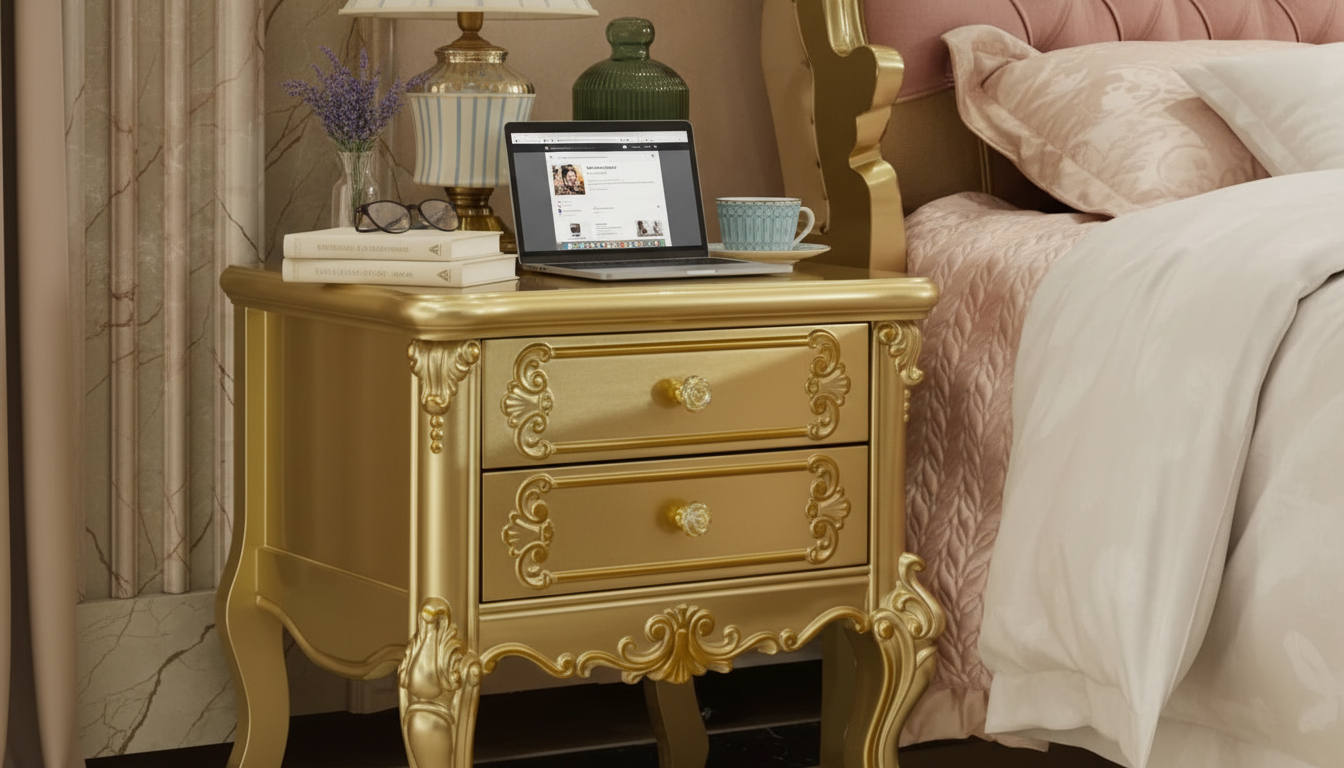
What wood types are best for a durable modern nightstand?
A durable modern nightstand needs two things: a stable wood that resists warping and dents, and a surface that stands up to daily wear from lamps, glasses, and charging devices. For most bedrooms, hardwoods are the safest bet, while certain engineered woods can be a practical choice when built correctly.
Solid hardwoods: the long-lasting standard
White oak is a top pick for modern nightstands because it’s tough, dimensionally stable, and has a clean grain that looks great with matte finishes and light stains. Hard maple is another excellent option—dense and resistant to scratches, making it ideal for high-use surfaces like the top and drawer fronts. If you want a richer, darker look, walnut offers strong durability with a refined, contemporary appearance, though it can show dents a bit more than oak or maple.
When softwoods can still work
Pine and other softwoods can fit a modern style, especially for lighter, minimalist pieces, but they dent more easily. If choosing pine, look for thicker panels, strong joinery, and a protective topcoat. Softwood nightstands tend to age with more visible character—great if that’s the goal, less ideal if you want a pristine surface.
Engineered options that hold up (when built well)
Plywood (especially hardwood plywood) is often more stable than solid wood across seasons and can be very durable with quality edge banding and a good finish. It’s commonly used for cabinet boxes and shelves. MDF can be smooth and paint-ready, but it’s heavier, less impact-resistant at corners, and vulnerable to swelling if exposed to moisture—better for low-risk bedrooms and well-sealed painted designs.
Durability also depends on construction
Even the best wood can disappoint with weak joinery. Look for solid drawer hardware, reinforced corners, and durable finishes (like catalyzed lacquer or a high-quality polyurethane) for a modern nightstand that stays sharp-looking over time.
For a deeper breakdown of wood choices, pros and cons, and care tips, visit the full guide here.
FAQ
Is plywood better than solid wood for a nightstand?
High-quality hardwood plywood can be more dimensionally stable than solid wood and works especially well for cabinet boxes. Solid hardwood is typically better for edges and surfaces that take frequent impacts, like tops and drawer fronts.










Leave a comment